
Data
What a watch can and cannot tell you about a run
Wrist data records useful patterns, but it stays most helpful when a runner reads each number with context.
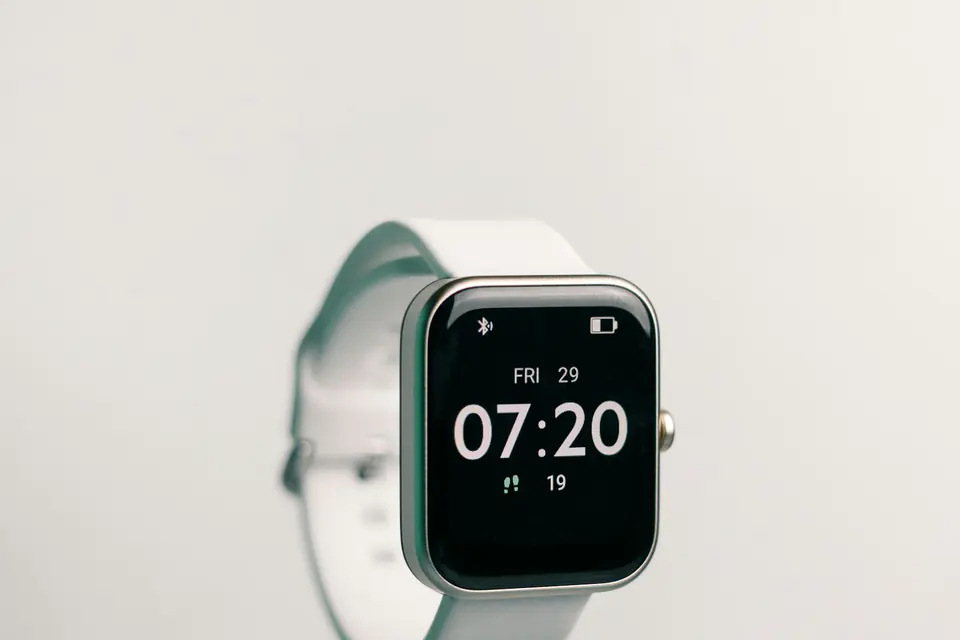
When I start a run with a watch, I ask it to keep a useful record, not to tell me the whole truth about my body. A route, elapsed time, and a glanceable pace can make an ordinary outing easier to remember and easier to repeat. Heart rate can add another point of reference when I am learning what an easy effort feels like. Yet a number on a wrist is a measurement made in a particular moment, through a particular device, worn by a particular person. It is not a verdict on whether the run counted, whether I trained well, or how I should feel afterward. That distinction lets the data stay helpful. I can notice a pattern without turning one surprising reading into a story about my fitness.
The living systematic review in npj Digital Medicine gives this caution a useful shape. Across 82 studies, it found a small average underestimation for heart rate, but limits of agreement that showed moderate variation from one measurement to another. The authors found accuracy changes with the metric, the conditions of measurement, and individual physiology. For a runner, that means a steady heart rate series can be valuable for seeing a broad effort pattern, while one isolated reading deserves less authority. The review reports stronger agreement at rest and lower agreement during exercise with irregular movement patterns. It also names movement, moisture, skin contact, and blood perfusion as factors that can affect the signal at the wrist. A watch is measuring something real, but the path from wrist signal to displayed number is not perfectly fixed.
Some metrics carry more calculation than observation. The review found energy expenditure estimates often had large, inconsistent error. Step counts and sleep measures showed moderate accuracy, and sleep staging was weaker at telling apart physiologically similar stages. I read those results as a reason to keep the display in proportion. Calories are not a receipt for the work I did. A sleep label is not a complete account of my night. I compare like with like before treating a change on a display as meaningful. I find a simple running note can help here: Was the route familiar, was the weather unusual, and did the effort feel easy, steady, or hard? Context turns a loose number into a more useful record.
The manufacturer announcement for the Series 12 describes more frequent heart rate and heart rate variability measurements, and a new readiness score built from recent activity, training load, vitals, and sleep. More frequent samples can make a timeline feel more complete, but they do not erase the interpretive work. A readiness score is a summary, not a command. On a day when the score and my legs disagree, I look at both. Recent training, sleep, soreness, stress, and the demands of the route belong in the decision too. The review's larger lesson still applies even as hardware and software change: accuracy depends on the measure, the person, and the conditions. I would rather let a score prompt a question than hand it the final word about whether to run, rest, or change the plan.
The best use of watch data may be its quiet continuity. I look for repeated signals across comparable runs, then pair them with what I remember. If a usual easy route asks for more effort over several outings, I can take that as an invitation to slow down, sleep, eat, check the weather, or simply be curious. It is not a diagnosis, and I do not need to force a conclusion from it. Conversely, a strong number does not make a difficult run easy or guarantee that hard work was wise. The watch can preserve detail that memory drops. I keep that detail, but leave room for uncertainty. A good record supports attention. It should not crowd out the body that made the run.