
Practice
Reading your own numbers without obsessing
Run data becomes useful when it is read as a pattern over time, with room for context, drift, and rest.
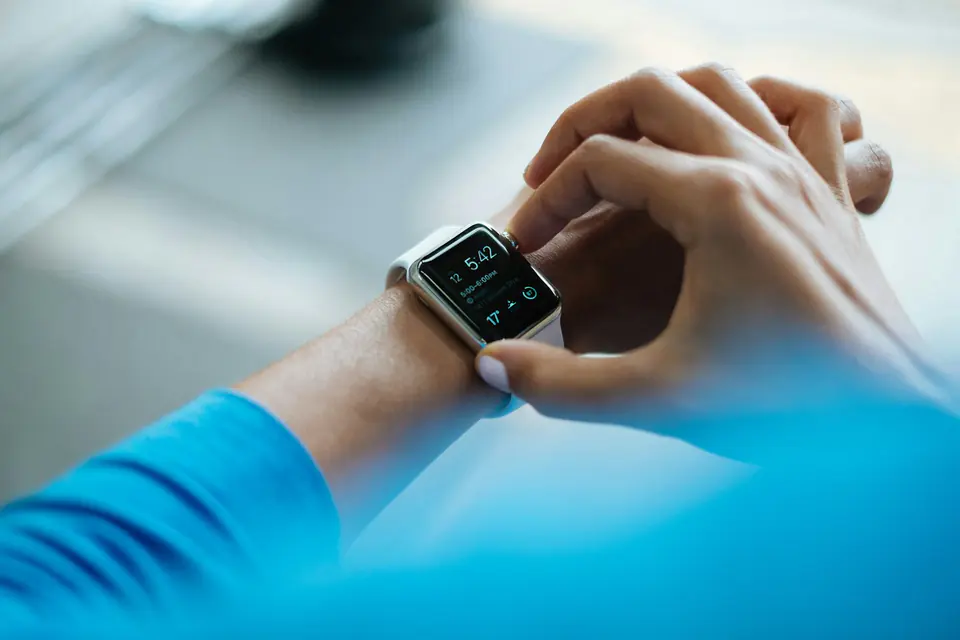
I used to finish a run and look for a verdict. A fast split felt like proof that training was working, while a slow one could color the rest of the day. That habit gives a single session more authority than it deserves. Weather, route, sleep, stress, hills, traffic, and the purpose of the run all shape what appears on the screen. I still record the basics, but I begin with a smaller question: what does this number suggest alongside the rest of the week? Pace, distance, elapsed time, and how the effort felt can be useful when they are kept together. None has to settle whether I am fit, disciplined, or ready. A run is information from one day, not a judgment about the runner.
The numbers worth watching are the ones I can compare on similar terms. I note a familiar route, an easy effort, a repeat workout, and the way my body responds during and after each. Those details help pace mean something. A heart rate reading can add context, but it can also vary with heat, hydration, fatigue, sensor contact, and ordinary variation. The Nature review of Apple Watch measurements is a useful prompt to treat a watch as a measuring tool rather than an umpire. I don't need to distrust every reading. I do need to leave room for uncertainty, especially when one surprising value conflicts with how the run actually felt. Data becomes steadier when it is paired with context.
Drift is normal, and it is often the most valuable thing to notice. An easy pace that gradually slows at the same effort, a recovery that feels less complete, or repeated difficulty holding a familiar rhythm can tell me to look closer. It doesn't tell me to force a conclusion. I check the simple surroundings first: recent training, sleep, warmth, route, shoes, and whether the session was meant to be easy. Bravehearts' piece on why recovery matters supports the larger point that rest belongs in training, not outside it. If several signals point in the same direction, I adjust the next few runs. If only one does, I keep it in view and let more days answer the question. That restraint protects the run from becoming a daily exam.
I get more from a quiet weekly review than from repeated checks after every run. I look for a pattern across comparable sessions: how easy pace relates to effort, whether longer runs remain comfortable, how quickly I feel ready to run again, and whether my mood toward training is changing. A rising or falling line is not a command. It is a reason to ask what has changed and, if needed, to make a modest adjustment. Some weeks will be uneven because life is uneven. Keeping a brief note beside the numbers makes those shifts easier to read later. The aim isn't to create perfect data. It is to build enough perspective that a good day can be enjoyed and a strange day can pass without becoming a story about everything.